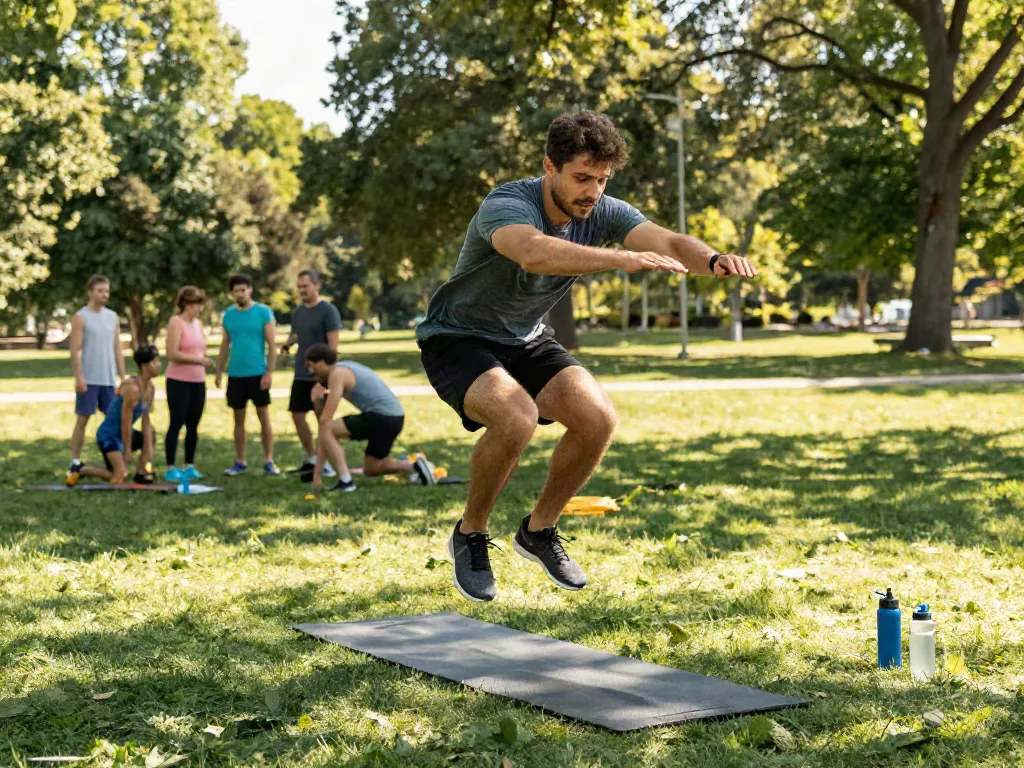
Understanding the Hop Over Technique
The hop over technique is an increasingly popular movement that has found its way into various fitness routines, agility training, and even recreational activities. This dynamic exercise not only enhances physical performance but also serves as a fun way to engage with physical training. From competitive athletes to fitness beginners, many are discovering the myriad benefits that come with mastering the hop over. When exploring options, hop over to these guys for comprehensive insights into this exciting technique.
What is the Hop Over?
The hop over is a plyometric movement where an individual jumps over an object or an obstacle using one or both legs. This exercise is categorized under dynamic movements, which require a combination of strength, speed, and flexibility. It can be performed with various objects, such as hurdles, cones, or even partners, making it a versatile addition to any workout regimen.
Benefits of Incorporating Hop Over into Your Routine
- Improved Agility: Regularly performing hop overs can lead to greater agility and quickness, essential for athletes across all sports.
- Enhanced Leg Strength: This technique strengthens the major muscle groups in the legs, including the quadriceps, hamstrings, and calves.
- Cardiovascular Fitness: Hop overs are a fantastic way to elevate heart rates, providing an effective cardiovascular workout.
- Balance and Coordination: Engaging in this movement improves overall balance and coordination, crucial for athletic performance and day-to-day activities.
Common Mistakes to Avoid When Hopping
While the hop over is an effective exercise, beginners often make mistakes that can hinder progress or lead to injury. Common pitfalls include:
- Inadequate Warm-Up: Not properly warming up can lead to injuries. Always ensure to do dynamic stretches before attempting hops.
- Incorrect Landing: Landing with locked knees or poor form can strain the joints. Aim for soft landings with bent knees to absorb impact.
- Overextending Hops: Trying to hop too far too quickly can lead to loss of balance and potential injury. Gradually increase the distance as your skills improve.
How to Train for the Hop Over
Warm-Up Exercises for Optimal Performance
To maximize performance and minimize the risk of injury, a proper warm-up is essential. Here are some effective warm-up exercises:
- Dynamic Stretches: Engage in leg swings, arm circles, and torso twists to loosen your body.
- High Knees: Run in place while lifting your knees high to activate your leg muscles.
- Butt Kicks: Kick your heels towards your glutes to engage your hamstrings.
Progression Techniques for Beginners
Start with basic hops and gradually increase the difficulty by adjusting various parameters:
- Height of Obstacles: Begin with low obstacles, then progressively increase the height as your confidence grows.
- Distance Between Hops: Start with shorter distances between hops and gradually increase to enhance endurance and agility.
- Incorporate Variations: Mix in lateral hops, single-leg hops, or backward hops to diversify your training.
Strength and Conditioning: Building the Right Muscles
Incorporating strength training into your routine is crucial for effective hop overs. Focus on exercises that strengthen the lower body:
- Squats: Build overall leg strength.
- Lunges: Develop balance and coordination.
- Calf Raises: Strengthen the calves to improve push-off power.
Incorporating Hop Over into Your Workouts
Creating a Diverse Training Plan
To keep your training routine effective and engaging, integrate hop over exercises with diverse workouts. A well-rounded fitness plan may include:
- Strength Training Days: Focus on leg strength complemented by hop overs.
- Cardio Days: Pair hop overs with high-intensity interval training (HIIT) for maximum heart rate elevation.
- Recovery Days: Incorporate stretching and mobility work, ensuring muscles remain pliable during recovery.
Combining Hop Over with Other Exercises
The hop over technique can be paired with various exercises for enhanced effectiveness:
- Burpees: Add hop overs after each burpee for a full-body workout.
- Box Jumps: Transitioning from a hop over to a box jump can boost explosive strength.
- Agility Ladder Drills: Mix hop overs with agility ladder movements to improve foot speed.
Recommended Workout Routines for Different Fitness Levels
Creating tailored workouts based on fitness levels ensures proper progress:
- Beginners: Start with basic hop overs, gradually introducing strength exercises.
- Intermediate: Combine hop overs with plyometric workouts and agility drills.
- Advanced: Incorporate complex movements like double-leg hops and speed-focused drills.
Real-Life Applications of Hop Over
Competitive Sports: How Athletes Use the Technique
Athletes across various sports utilize hop overs to enhance their performance. For instance:
- Basketball: Players use hop overs to improve their vertical jump and agility on the court.
- Track and Field: Sprinters incorporate hop overs to enhance their explosive power and stride length.
- Soccer: Athletes improve their agility with hop overs to maneuver around opponents swiftly.
Recreational Activities that Benefit from Hopping
Beyond competitive sports, numerous recreational activities can incorporate hop overs:
- Parkour: Hopping over obstacles is a foundational skill in this high-energy activity.
- Fitness Classes: Many group classes employ hop overs for fun and engaging workouts.
- Obstacle Courses: Competitors use hop overs to navigate through challenging physical courses.
Case Studies: Success Stories from Fitness Communities
Fitness communities have observed significant improvements from those who regularly practice hop overs:
- Local Gym Programs: Members report increased agility, strength, and overall fitness after implementing hop overs in their routines.
- High School Athletics: Teams incorporate hop overs into training, resulting in improved performance during competitions.
- Rehabilitation Centers: Patients recovering from injuries use hop overs to regain strength and balance.
Future Trends in Fitness and Hopping Techniques
Technological Advancements Impacting Fitness Routines
In recent years, technology has significantly influenced fitness training, including hopping techniques. Wearable devices, such as smartwatches and fitness trackers, allow individuals to monitor performances and track progress effectively. Virtual training sessions led by professional coaches provide guidance and motivation, making techniques like hop overs more accessible to all.
Predicted Trends for 2026 in Hopping and Agility Training
As we look ahead, several trends are likely to shape the future of fitness:
- Increased Popularity of Plyometric Training: More individuals are likely to discover the benefits of plyometric exercises, including hop overs.
- Focus on Functional Fitness: Training that improves daily movement patterns will become more mainstream.
- Online Fitness Communities: The rise of virtual platforms for group workouts will encourage more people to incorporate hop overs into their routines.
Expert Insights into the Evolution of Fitness Techniques
Experts in the fitness industry are increasingly recognizing the capabilities of hop overs as a foundational movement. Many agree that they serve as an excellent gateway to more complex techniques, motivating individuals to explore their physical capabilities further.
What is the significance of the hop over exercise?
The hop over exercise is significant as it bridges strength and agility training. This holistic workout modality promotes both cardiovascular health and muscle development, essential for overall fitness.
Can the hop over improve my overall fitness?
Absolutely! Regular practice of hop overs can enhance your strength, agility, coordination, and cardiovascular endurance—all vital components of a well-rounded fitness program.
What equipment do I need for hop over training?
To perform hop overs, minimal equipment is required. Basic obstacles like cones, low hurdles, or even steps can serve as effective training tools. For more advanced training, consider plyometric boxes or agility hurdles.
How to measure progress in hop over techniques?
Progress can be measured through various means, including tracking the height and distance of your hops, recording workout times, and observing improvements in agility drills.
Are there any risks associated with hop over exercises?
Like any physical activity, there are risks if proper form is not maintained. It’s essential to focus on technique and gradually increase the intensity of your workouts to minimize the risk of injury.